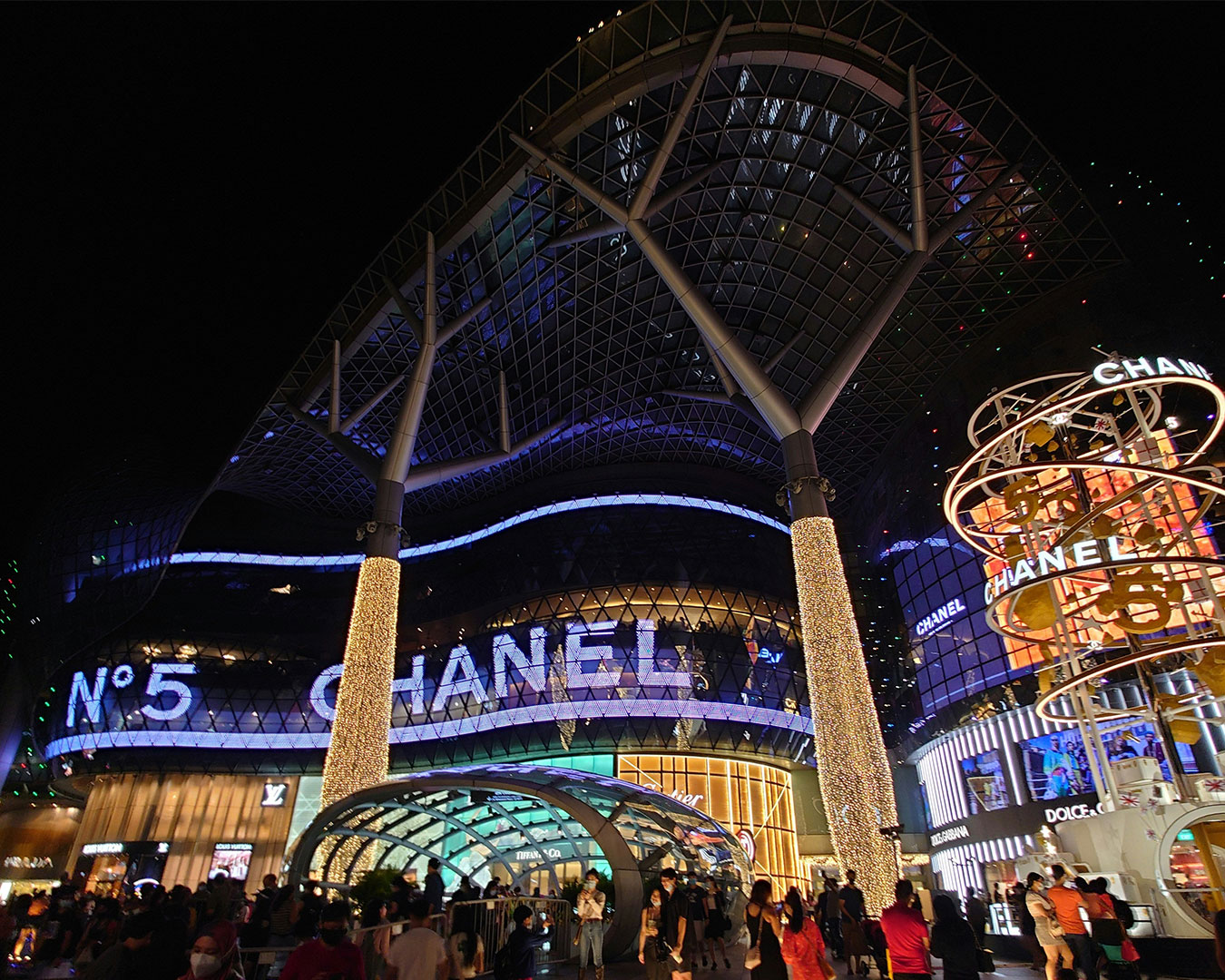
Orchard Road is a district defined by visibility. Its currency is the new, the prominent, and the highly visible—flagship stores with towering glass facades, seasonal pop-ups announced with fanfare, and restaurants that command attention through prime, street-facing locations. The narrative of the street is one of constant, forward-moving change. Yet, beneath this surface-level churn, a quieter, more stable dining ecosystem persists, sustained not by visibility, but by the powerful force of habit.
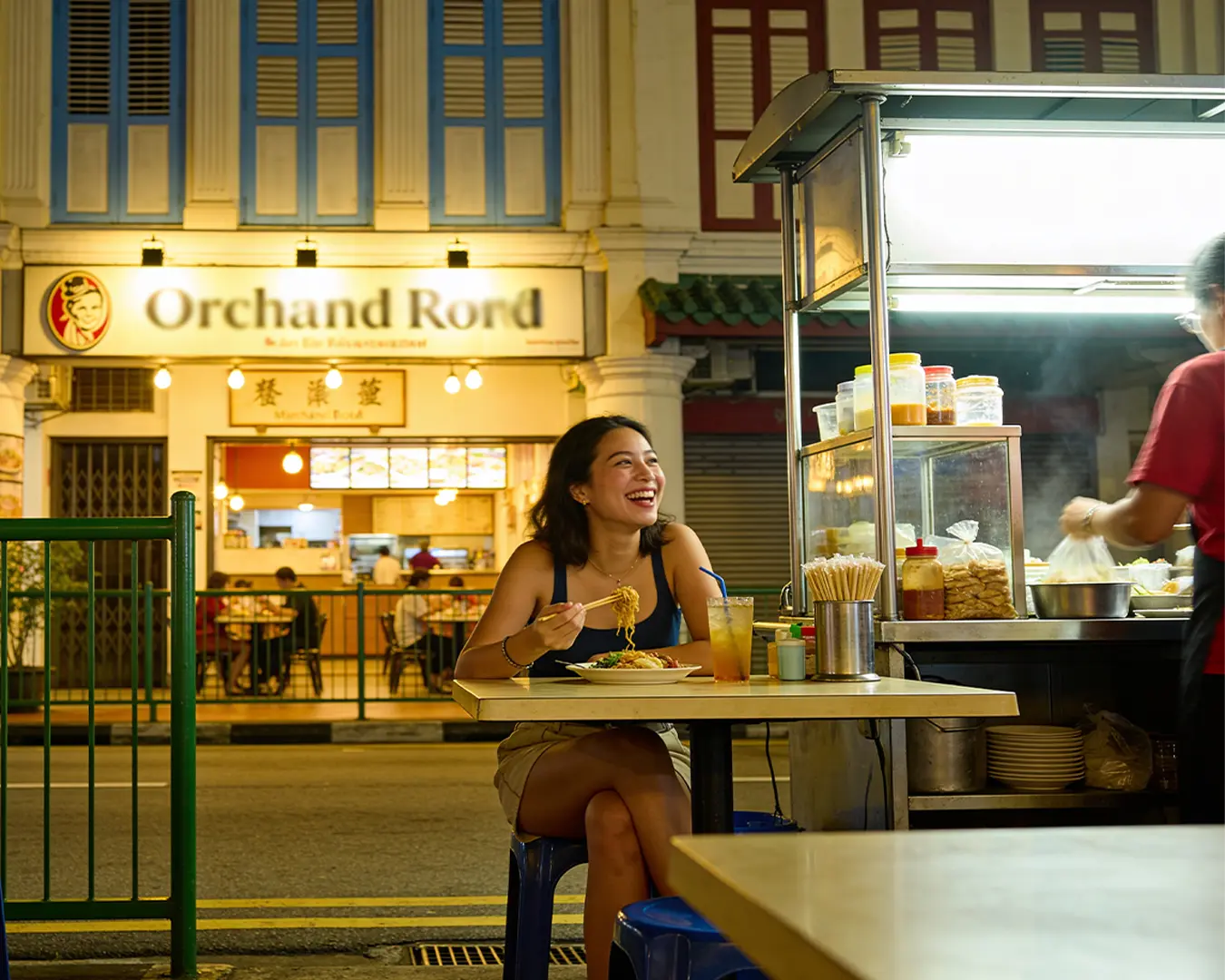
Amid the architectural spectacle and marketing campaigns, certain establishments endure without ever needing to shout. These are not necessarily “hidden gems” in the sense of being secret or difficult to find. More often, they are simply quiet. Located on the upper floors of older malls, tucked into less-trafficked side corridors, or operating from the same basement unit for years, their persistence can seem puzzling in a district so obsessed with footfall and novelty. Their survival, however, is not accidental; it is the result of a different kind of loyalty.
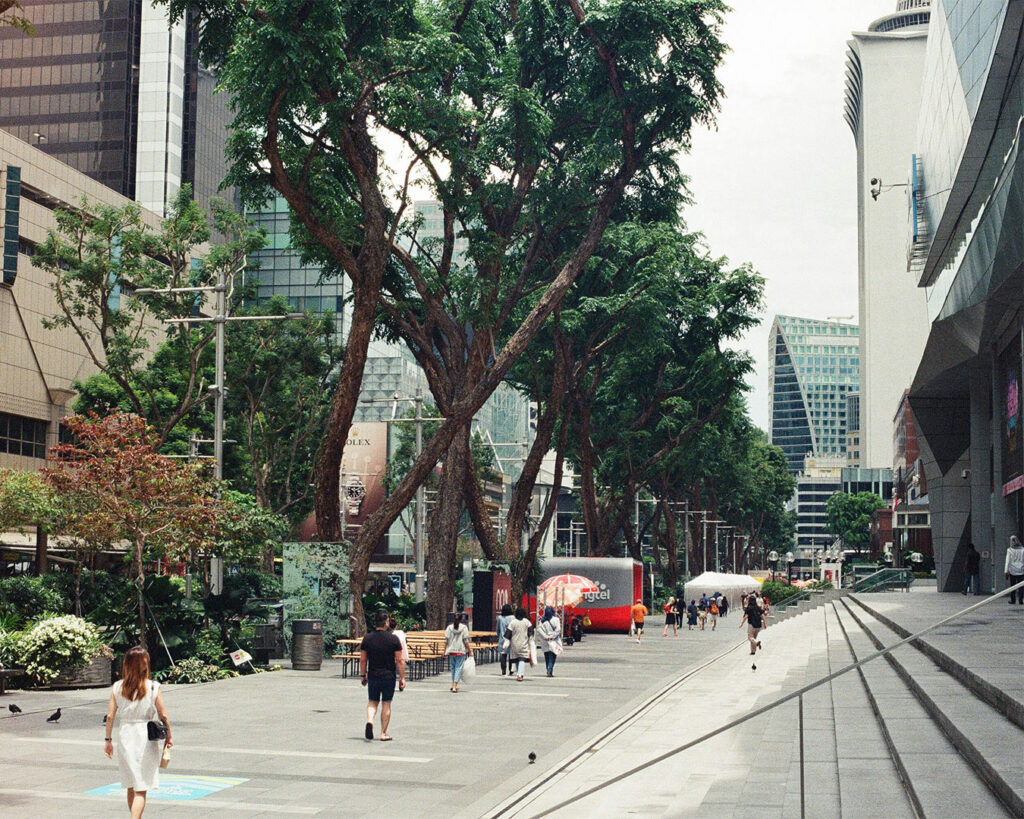
For the local who works in the area or the regular visitor who has walked this stretch for decades, dining decisions are often governed by a desire for predictability. On a busy weekday, the appeal of a new, buzzworthy restaurant is easily outweighed by the comfort of a known quantity. People return to these quiet places for the simple assurance that the food will be exactly as they remember, the service will be efficient, and a table will likely be available without a long wait. This is a loyalty built on trust, not trend. It is expressed through repeat visits, not social media posts.
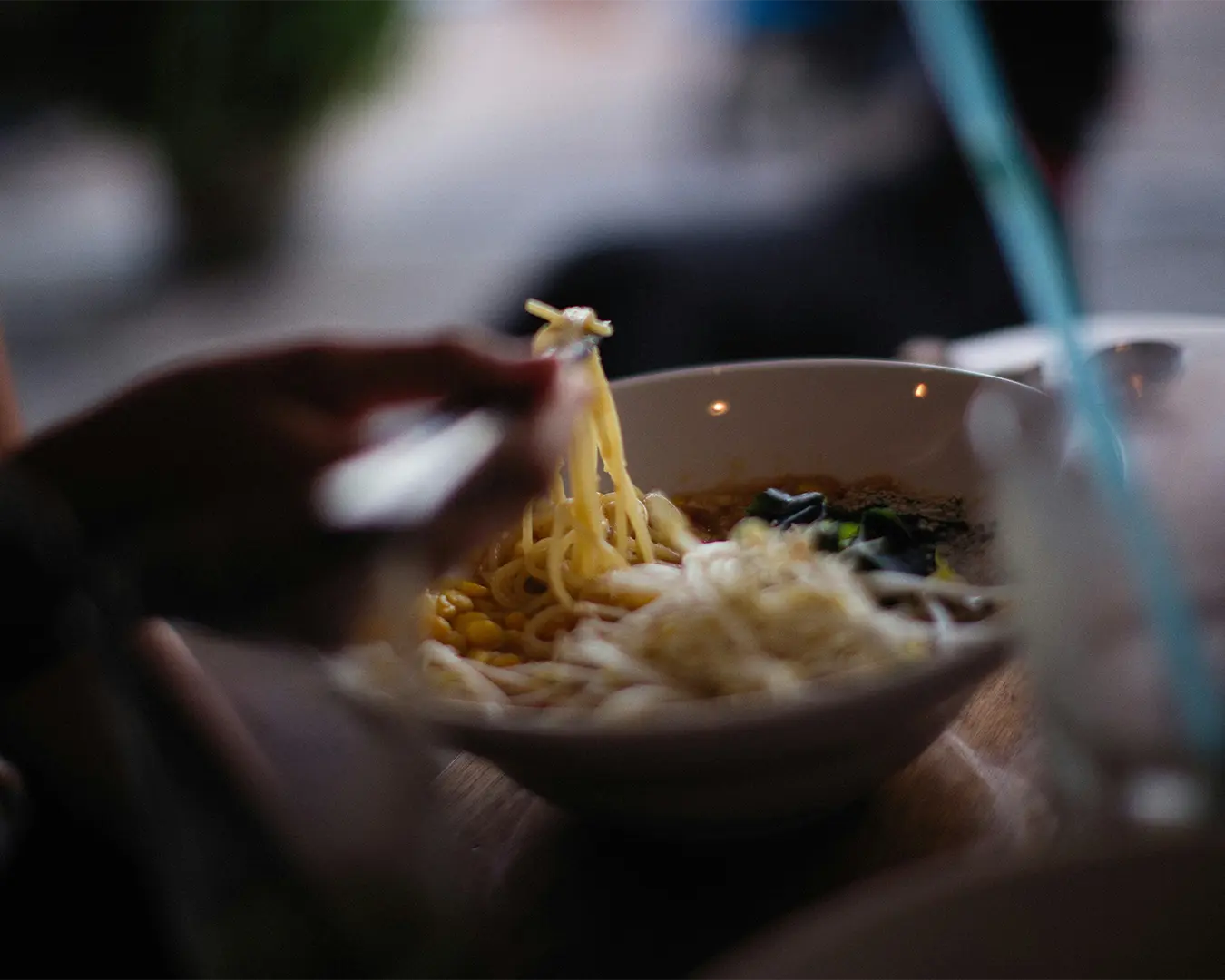
In a transient district like Orchard Road, this kind of routine offers a grounding sense of place. While tourists may seek out spectacle, locals often seek refuge from it. The familiar bowl of noodles or the specific set lunch from a trusted eatery becomes an anchor in a day of meetings or errands. These are the meals that require no decision-making energy, allowing the act of eating to be a genuine pause rather than another item on a to-do list. The value proposition here is not excitement; it is reliability.
These quiet, enduring places serve as a vital counterpoint to Orchard Road’s dominant narrative of change. They are a reminder that even on Singapore’s most famous street, the most powerful driver of dining culture is not always what is new, but what is known and trusted. They continue to matter because they cater to a fundamental human need: the desire for comfort and consistency in a world that is always in flux.