by: Michelle Tan
Orchard Road moves at a velocity that demands stamina. It is a street defined by perpetual forward motion—the rhythmic thud of shoes on pavement, the hum of escalators carrying thousands between floors, and the visual blur of shopping bags swinging in time with the crowds. To navigate it is to be caught in a current of intent. Yet, if you look past the rush, you notice a secondary rhythm at play: the quiet, instinctive art of the pause.
Scattered throughout the malls and street corners are the pockets of stillness that make the movement possible. These cafés and dessert counters are rarely the main event of a visit to town. Instead, they function as the commas in a long, breathless sentence. The decision to stop is often made without conscious thought—a sudden gravitation toward a free table or the familiar hum of an espresso machine. It is less about a craving for a specific bean or blend, and more about the fundamental human need to stop moving, even if just for twenty minutes.
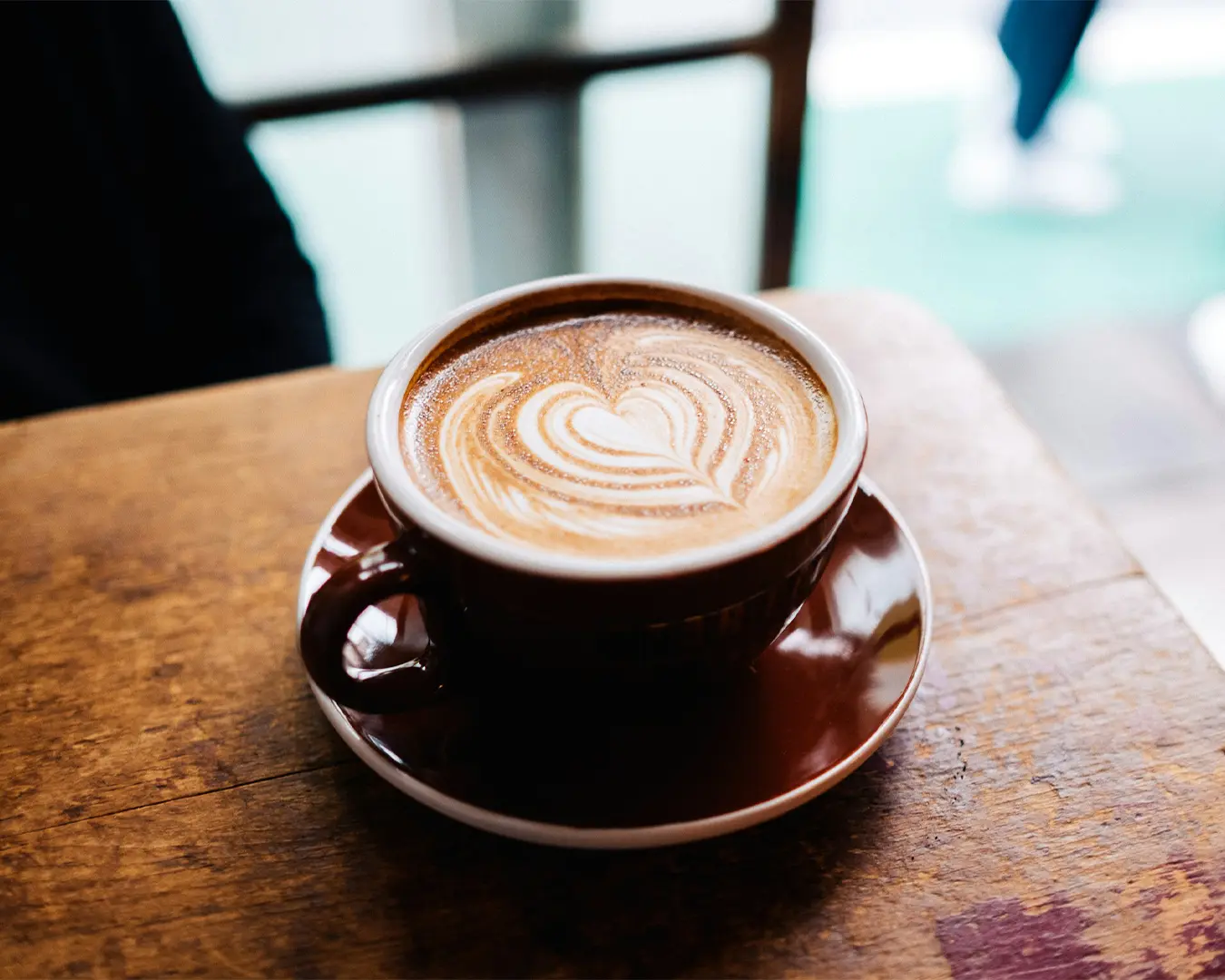
My favorite coffee spot on Orchard Road is a cozy nook tucked away from the crowd, where the baristas know my order by heart and the aroma of freshly ground beans mingles perfectly with the faint hum of city life outside.
There is a distinct intimacy to these in-between moments. You see it in the office worker who steps out at 3:00 PM, not for a meeting, but for the solitary ritual of an iced coffee. The drink is less a beverage and more a temperature reset—a sharp, cold counterpoint to the afternoon humidity or the dry chill of office air-conditioning. The phone is placed face down; the shoulders drop an inch. For a brief window, the noise of the district recedes, replaced by the specific, grounding sensory details of the break: the condensation sliding down a glass, the warmth of a ceramic mug, the soft clatter of a teaspoon.
These pauses are functional, but they are also deeply emotional anchors. In a landscape that is constantly trying to sell the “new”—the latest season, the newest opening, the trending flavor—our coffee habits remain stubbornly routine. We tend to return to the same seats and order the same things. There is a profound comfort in this lack of surprise. When the street outside feels chaotic, the reliability of a known order offers a small sense of control. We don’t come here to be challenged; we come to be reassured.
The stays are often short. A dessert is shared between two friends with shopping bags gathered at their ankles, eaten quickly before the sugar melts. A student finishes a drink and packs up a laptop. The table is cleared, and the next person takes their place. It is a transient cycle, yet it is essential. These small, sweet interruptions are the invisible infrastructure of the street, the quiet moments of restoration that allow us to stand up, take a breath, and step back into the flow.
To discover more places to find your next favorite coffee place, click here or visit Orchard Dining Guide to learn more!